

Grip.Socks have become a foundational element of the modern boutique fitness wardrobe, driven by a global surge in low-impact, high-intensity workouts like Pilates and Barre. As of 2024, the global Pilates and Yoga studio market is valued at approximately $150 billion, with a projected compound annual growth rate (CAGR) of 10% through 2030. According to the report, the "performance grip socks market was valued at $1.3 billion in 2023 and is estimated to reach $1.7 billion by 2028. This massive expansion has turned what was once a niche accessory into a multi-million dollar footwear category. Whether you are navigating a slick wooden floor or a professional-grade Reformer, the right pair of technical socks is no longer just an option—it is a performance requirement for safety and precision.
What are Grip.Socks?
Technical Construction
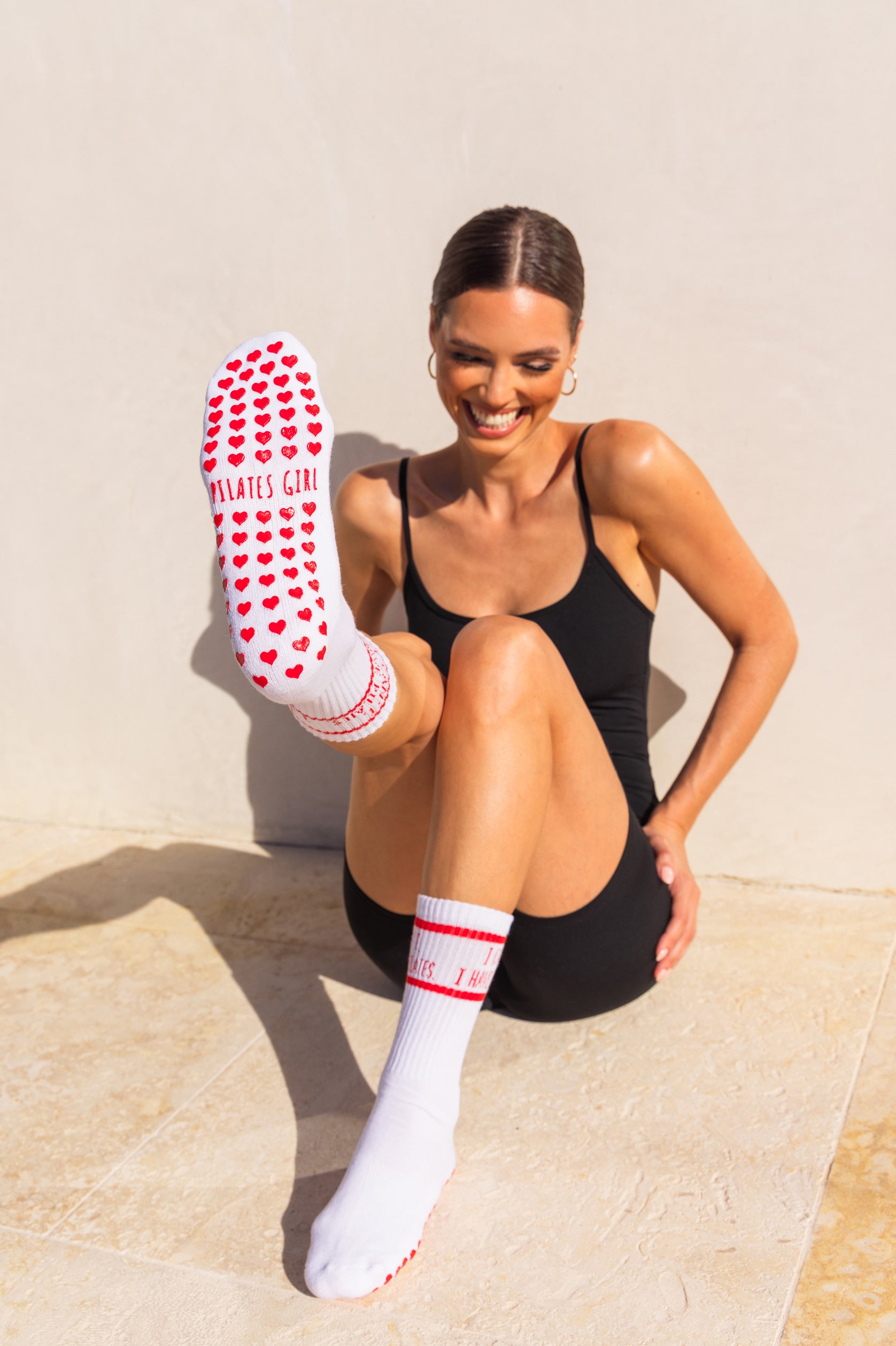
Grip.Socks are a specialized form of athletic footwear designed to bridge the gap between bare feet and traditional sneakers. Unlike standard socks, which are primarily designed to reduce friction inside a shoe, these socks are engineered with an exterior traction system. They are typically made from high-quality combed cotton, organic cotton, or synthetic blends like polyester and spandex to provide a "second-skin" fit that doesn't slip or bunch during movement.
The Traction System
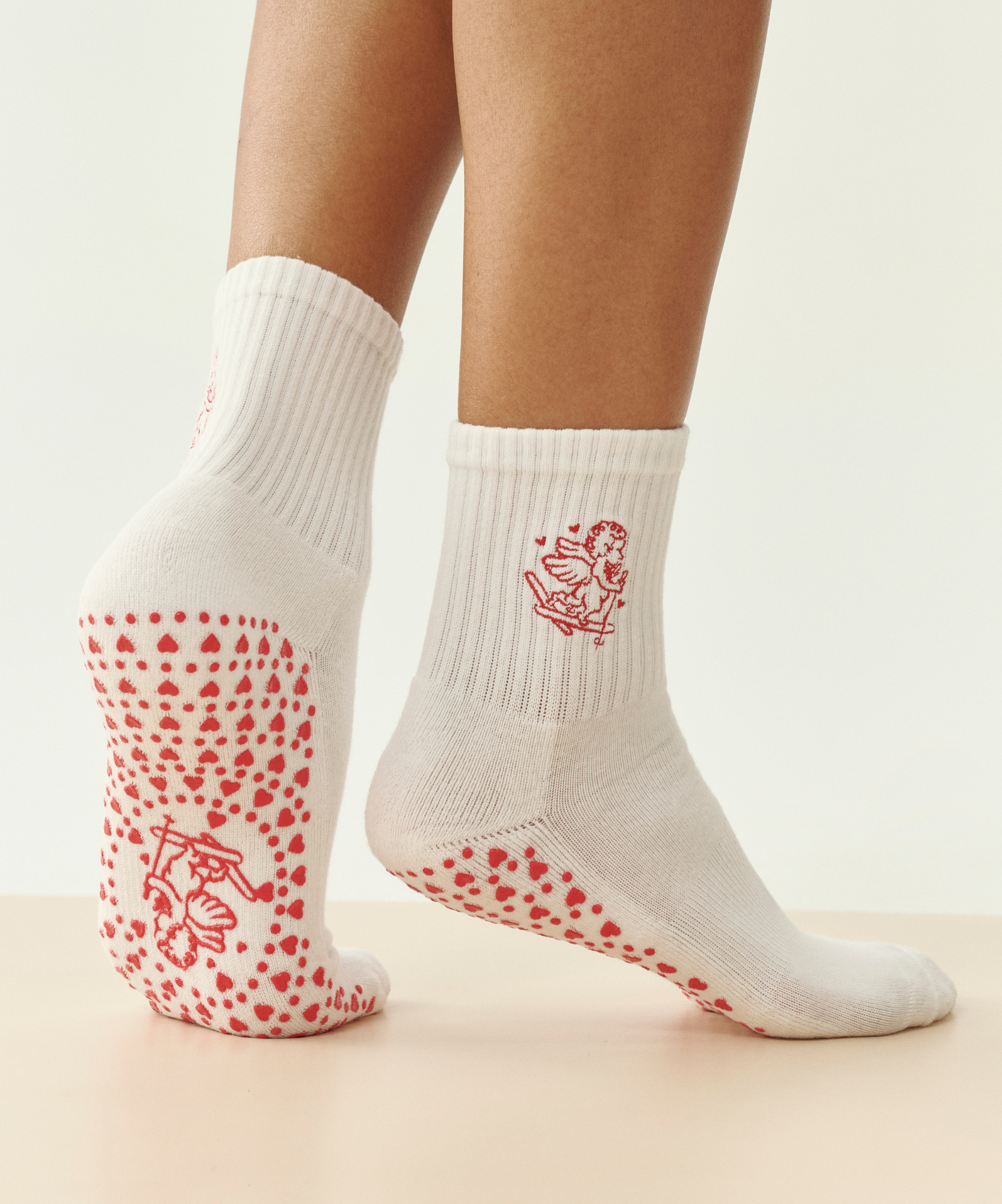
The defining feature of these socks is the "grip" itself. This usually consists of high-friction patterns—dots, hexagons, or custom brand logos—applied to the sole of the sock. These are made from medical-grade silicone, PVC, or rubberized materials. This traction pattern is strategically mapped to the pressure points of the human foot, specifically the heel and the ball of the foot, to ensure maximum contact with the ground or equipment.
What do Grip.Socks do?
Slip Prevention and Safety
The primary role of these socks is to prevent accidental slips. In a studio setting, sweat can make vinyl mats or wooden floors incredibly hazardous. The silicone grips provide a mechanical lock against the surface, allowing you to hold a plank, a lunge, or a "Warrior II" pose without your feet sliding apart. This is crucial for preventing groin strains and ligament injuries caused by unexpected movement.
Hygiene and Barrier Protection
Public fitness spaces are hubs for bacteria and skin-related issues like athlete's foot. Wearing a barrier protects your skin from direct contact with shared surfaces. Beyond personal protection, they also protect the equipment. Natural skin oils and sweat can degrade the expensive upholstery of Pilates Reformers over time; a quality pair of socks keeps the studio environment pristine for everyone.
Thermal Regulation and Comfort
While many prefer the feeling of bare feet, studio floors can be cold and uncomfortable. Technical socks provide a layer of warmth that keeps the muscles in the feet supple and ready for movement. Additionally, they provide a slight cushioning effect, which can be beneficial during high-repetition footwork or standing exercises that put pressure on the metatarsals.

Do you need Grip.Socks?
Why They Are Mandatory in Studios
If you are attending a professional Pilates, Barre, or Megaformer class, you will likely find that Grip.Socks are a mandatory requirement. Studios enforce this rule for two main reasons: insurance liability and sanitation. Without the traction provided by specialized socks, the risk of a client slipping off a moving Reformer carriage is too high. If you show up in regular socks, most instructors will ask you to purchase a pair or sit the class out.
Performance vs. Bare Feet
Even if your studio allows bare feet (common in some Yoga practices), many practitioners still choose to wear them. Bare feet can become "slick" once you start to sweat, leading to instability. Furthermore, for those with hyper-mobility or weak arches, the compression bands found in high-end technical socks provide a sense of "enclosure" and support that helps with foot alignment.
Popular Styles of Grip.Socks
Low-Cut and No-Show Styles
These are the "minimalists" of the grip world. They sit below the ankle bone and are often preferred by those who want to keep their legs cool or maintain a clean, athletic look. They usually feature a heel tab to prevent the sock from sliding down into the arch of the foot during vigorous movement.
Crew and Mid-Calf Styles
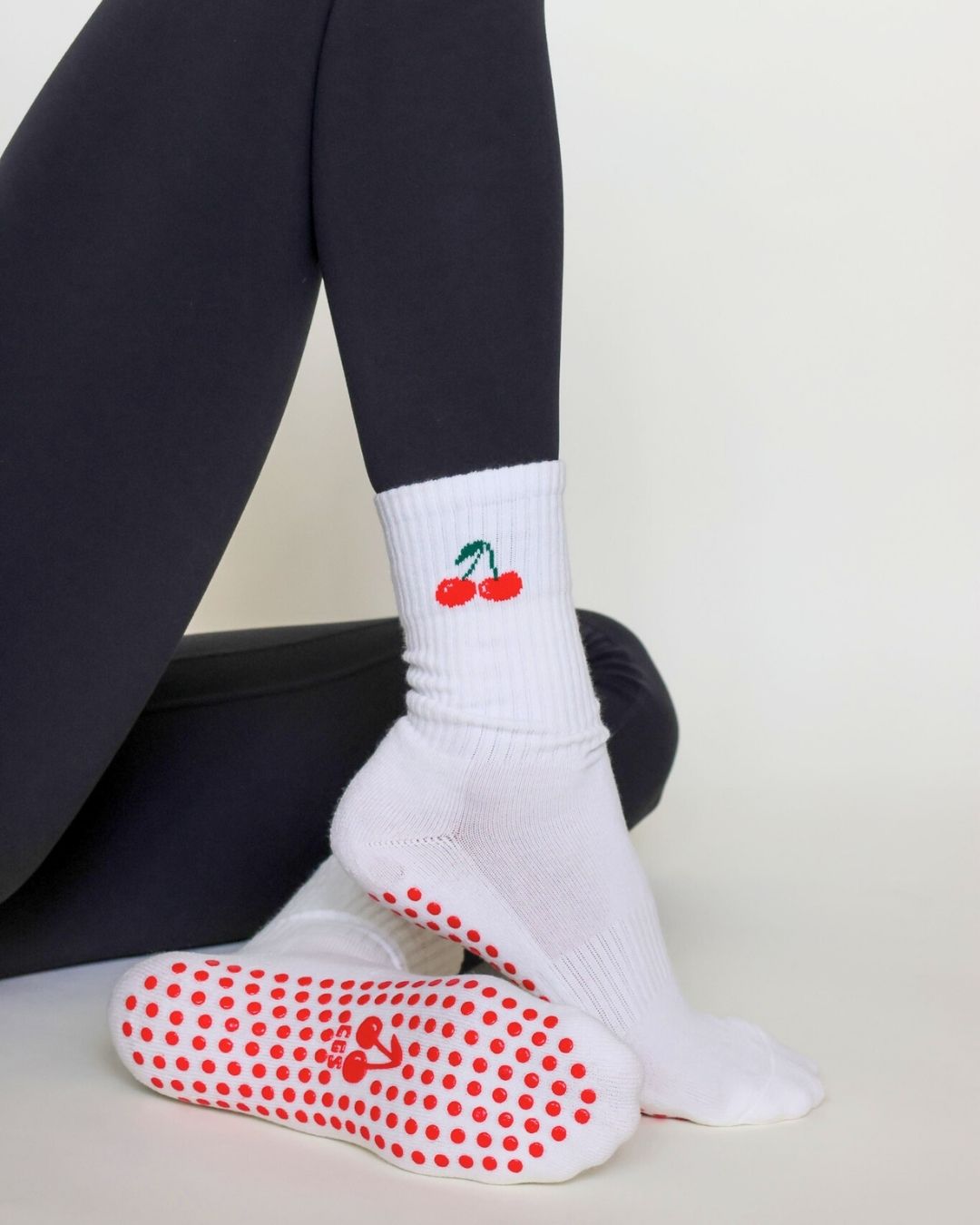
The "crew" look is currently the most popular trend in the fitness industry. These socks hit several inches above the ankle and are often worn scrunched down or pulled high over leggings. This style offers more surface area for branding and artistic designs, and it provides extra warmth for the lower leg muscles.
Toeless and Open-Toe Designs
Some practitioners find that they lose their "balance" if their toes are covered. Toeless designs feature individual holes for each toe or one large opening for all toes, leaving the digits exposed to grip the floor naturally while the ball and heel of the foot remain protected by the silicone-treated sole.
What are Best Grip.Socks?
1. Grip and Flow Socks
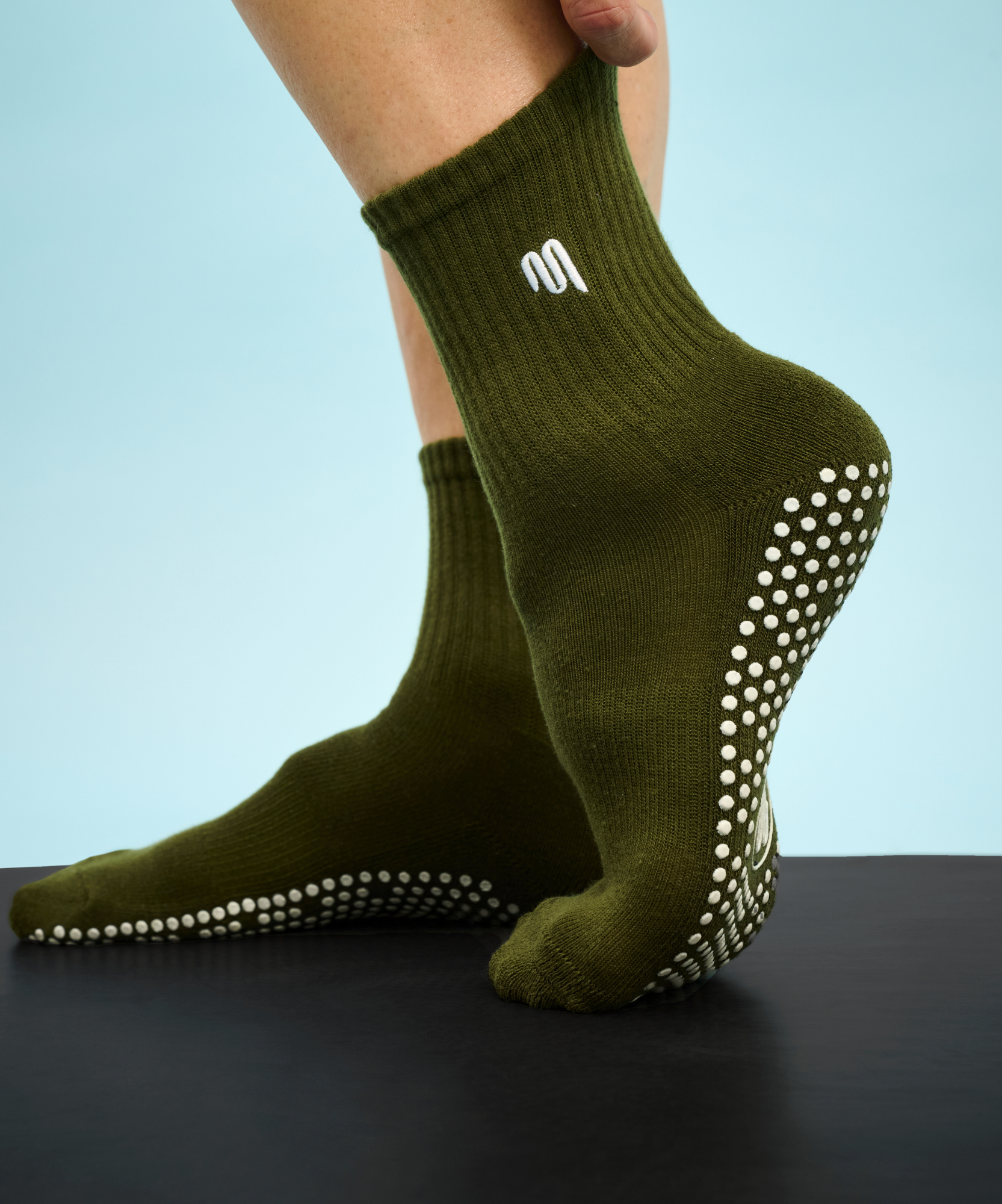
For the discerning athlete who wants a balance of understated luxury and elite performance, Grip and Flow socks are the gold standard. These are subtly engineered to provide a superior "lock" on any surface without the bulk of traditional athletic socks. Their designs focus on high-density silicone mapping that ensures you never lose your footing during a transition. If you are looking for a pair that feels like a premium extension of your foot while maintaining a sleek silhouette, these should be your first choice.
2. Tavi Active
Tavi Active (formerly Tavi Noir) is famous for bringing high fashion into the studio. Their socks often feature feminine details like mesh panels, ribbons, and "Savvy" styles that look like ballet slippers. They are highly durable and use high-quality organic cotton that stays soft wash after wash.
3. ToeSox
ToeSox is the original pioneer of the five-toe sock design. By separating each toe, these socks encourage natural toe splay and strengthen foot muscles. They are a favorite among Yoga practitioners who want the benefits of being barefoot with the added safety of a "sticky" sole.
4. Pointe Studio
If you want your feet to make a statement, Pointe Studio offers the most vibrant patterns and boldest colors in the industry. From "Happy" grip slogans to floral prints, they provide excellent compression and a very thick, durable grip pattern that lasts a long time.
How to Wash Grip.Socks
Turn Inside Out
To preserve the life of the silicone grips, always turn your socks inside out before placing them in the wash. This prevents the sticky bits from rubbing against the agitator of your washing machine or catching on the zippers and buttons of other workout gear, which can cause the grips to peel prematurely.
Cold Water Cycle
Heat is the enemy of elasticity and silicone. Wash your technical socks on a cold, gentle cycle. Avoid using bleach, as it can break down the fibers. Most importantly, never use fabric softener. Softeners leave a waxy residue on the silicone grips, making them slippery and effectively ruining the "grip" functionality of the sock.
Can You Put Grip.Socks in the Dryer?
The Dangers of High Heat
While it is technically possible to tumble dry them on a "no heat" or "air fluff" setting, it is generally recommended to avoid the dryer entirely. The high heat found in standard drying cycles can cause the silicone to become brittle or melt. Over time, heat exposure causes the rubberized dots to crack and flake off, leaving you with a standard—and slippery—sock.
Air Drying for Longevity
The best way to dry your socks is to lay them flat on a towel or hang them over a drying rack. Because high-performance socks are made with breathable, moisture-wicking materials, they typically dry very quickly. Air drying ensures the elastic stays snug and the grips stay "sticky" for hundreds of classes.
Where to Buy Grip Socks
Local Studios and Boutiques
The most immediate place to find these socks is at the retail counter of your local Pilates or Barre studio. Most franchises carry a curated selection of brands. This is a great way to feel the fabric and check the sizing before you buy.
Online Specialty Retailers
For the widest selection of styles, colors, and brands like Grip and Flow, online shopping is the best route. Most major brands offer direct-to-consumer websites with "bundle and save" options. Buying online also gives you access to specific size charts, ensuring you get the snug fit required for high-intensity movement.
Conclusion: A Guide to Choosing the Best Grip.Socks
Selecting the right footwear is a critical step in your fitness journey. As we have seen, Grip.Socks are far more than a fashion statement; they are a $150 billion industry’s answer to the need for safety, hygiene, and performance in the studio. By choosing a high-quality pair—starting with the precision-engineered Grip and Flow socks—you are investing in your own stability and ensuring that every movement on the Reformer or mat is executed with total confidence.
Ready to find your perfect pair? [Shop our full collection of Grip.Socks today] and experience the difference that professional-grade traction can make in your next class!


