

Socks with grip have quickly evolved from a niche studio accessory into an essential performance tool, with a recent market analysis indicating that the global pilates and yoga wrap industry—heavily driven by specialized grip footwear—is projected to grow at a compound annual growth rate (CAGR) of over 6% through the late 2020s. The global performance grip socks market is valued between $1.2 billion and $1.3 billion. It is experiencing rapid growth, fueled by the booming boutique fitness (Pilates, yoga, barre) and athleisure sectors, and is projected to reach $1.7 billion to $2.7 billion by 2033. Whether you are stepping onto a reformer, rolling out a yoga mat, or holding a grueling isometric contraction at the ballet barre, the right footwear determines your stability, safety, and overall form. In this comprehensive guide, we break down everything you need to know about choosing, using, and caring for your studio footwear so you can maximize your performance.

What Are Socks with Grip?
The Anatomy of Performance Studio Footwear
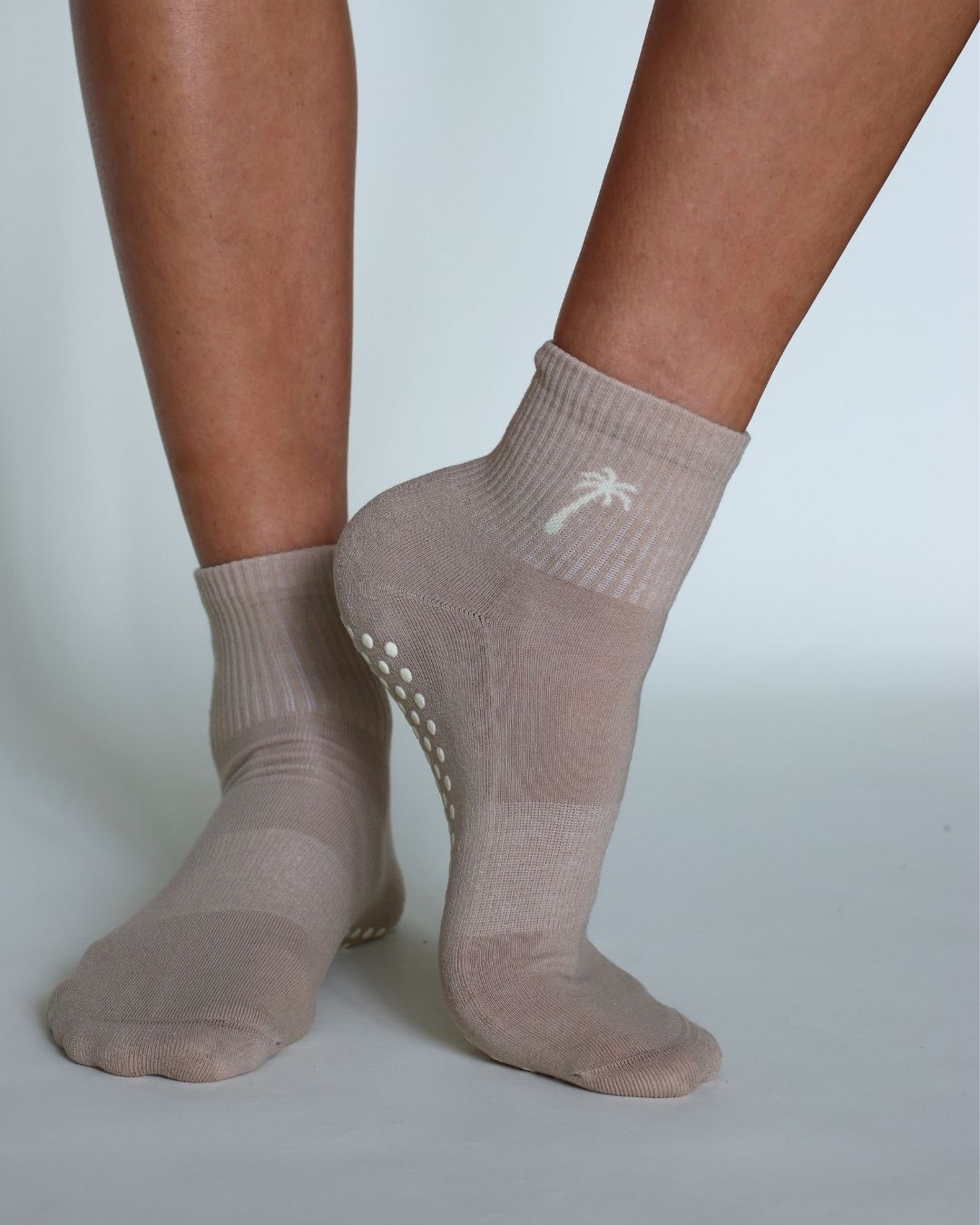
At their core, socks with grip—often referred to as grip socks or traction socks—are specialized footwear designed with rubberized, silicone, or PVC treads fused to the sole. Unlike standard everyday socks that create a slippery barrier between your feet and the floor, these performance socks are engineered to mimic the traction of bare feet while providing the protective benefits of a premium fabric layer.

Material Composition and Construction
High-quality traction footwear relies on premium material blends to balance durability, flexibility, and moisture management. Most premium brands utilize a high percentage of combed cotton or sustainable bamboo for breathability, blended with elastic fibers like polyester, nylon, and spandex to ensure a snug, compressive fit that does not shift or bunch during complex movements. The bottom sticky patterns are strategically mapped to high-pressure areas of the foot, such as the heel and the ball of the foot, ensuring continuous contact and friction against smooth surfaces.
What Do Socks with Grip Do?
Slip Prevention and Enhanced Traction
The primary mechanical function of these socks is to eliminate slipping. Smooth studio surfaces like polished hardwood, laminate, vinyl, and the slick vinyl upholstery of fitness equipment offer very little natural traction. When sweat enters the equation, the risk of slipping multiplies. The specialized silicone or rubberized treads on the bottom bite into the surface, providing a mechanical lock that keeps your feet firmly planted exactly where you place them.
Muscle Engagement and Proprioception
Beyond safety, traction footwear fundamentally alters your biomechanics. When your feet are secure, your nervous system can fully engage your kinetic chain without sending protective, panic-driven micro-signals to prevent a fall. This stability improves your proprioception—your body's awareness of its position in space. With a solid base of support, you can deeper activate your core, glutes, and stabilizer muscles, getting a far more effective workout from every single repetition.

Hygiene and Barrier Protection
Studio floors and shared exercise equipment are hotbeds for bacteria, fungi, and viruses like plantar warts or athlete's foot. Walking barefoot across a floor where dozens of others have sweated is a significant hygiene risk. Wearing premium traction socks provides a clean, breathable barrier that protects your skin from direct contact with communal surfaces while keeping sweat from transferring onto the equipment.
Do You Need Socks with Grip for Pilates?
The Unique Demands of the Pilates Reformer
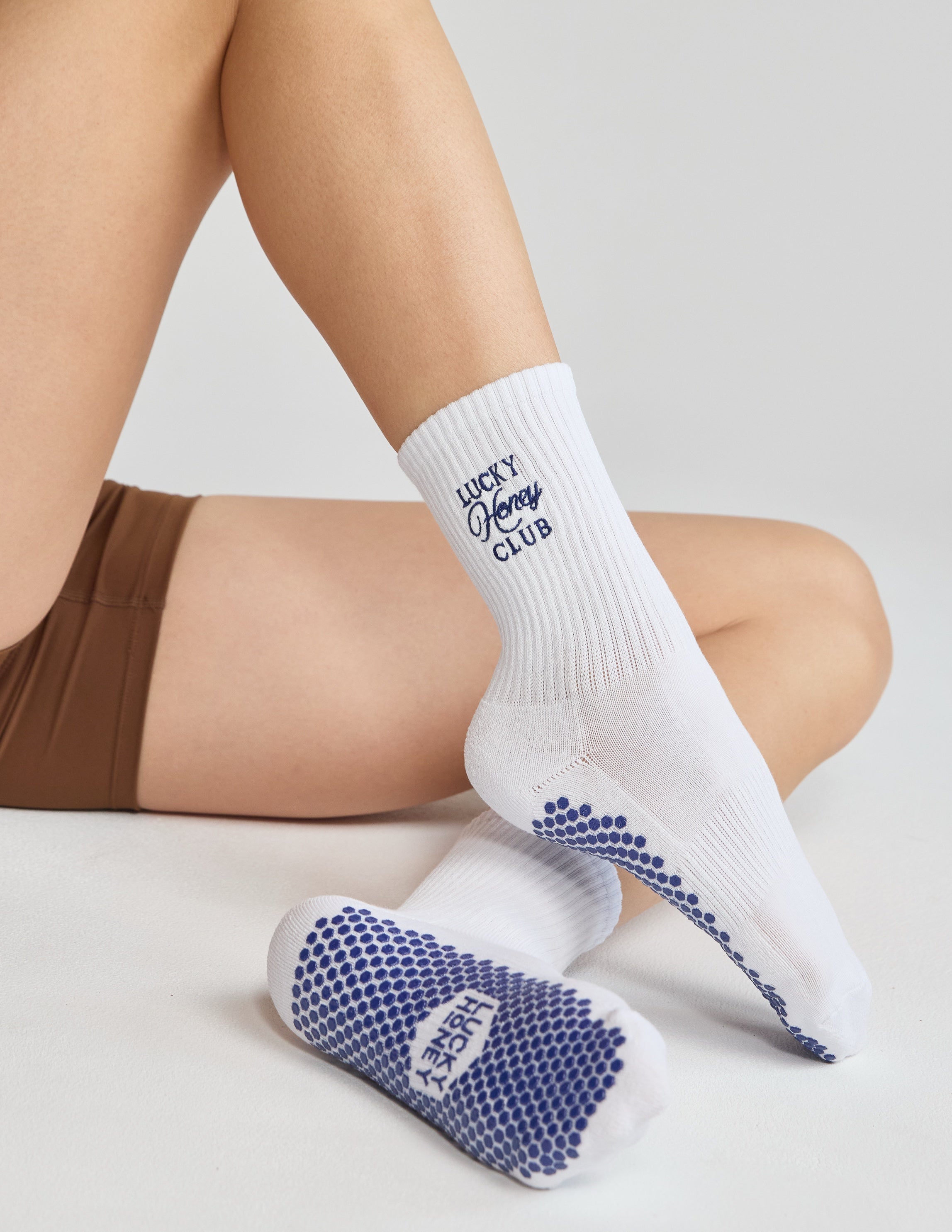
If you are practicing reformer pilates, traction socks are rarely optional; they are a fundamental safety requirement. A pilates reformer utilizes a rolling carriage attached to weighted springs. Exercises like the plank, lunges, and the chest expansion require you to split your stance between the moving carriage and the stationary wooden or metal platform. Without a reliable grip, your feet can easily slide out from under you, leading to hyper-extended muscles or a dangerous fall from the machine.
Mat Pilates and Stability Challenges
While mat pilates does not involve moving machinery, it demands absolute control during classical floor sequences. Transitioning through advanced movements like the Teaser, the Jackknife, or sustained side planks requires intense stability. Standard socks will cause you to slide across your mat, throwing off your alignment and straining your lower back or neck. Grip-soled socks keep your anchor points locked, allowing you to focus entirely on your core articulation and breathing.
Studio Policies and Safety Standards
Because of the inherent safety risks associated with slippery feet on heavy machinery, the vast majority of premium boutique pilates studios across the United States enforce strict "no barefoot" and "mandatory grip sock" policies. Showing up to class with the correct performance footwear ensures you conform to studio safety guidelines and can jump straight into your workout without delay.
Popular Styles of Socks with Grip
Classic Crew and Quarter Lengths
Crew and quarter-length styles extend up past the ankle, offering additional compression around the lower calf and protecting the Achilles tendon from friction against studio straps or ropes. This style has seen a massive resurgence in popularity due to modern athletic aesthetics, often paired with high-waisted leggings or biker shorts for a complete, intentional studio look.
Low-Cut Ankle and No-Show Styles
For those who prefer a minimalist look and maximum breathability, low-cut and no-show styles sit right at or below the ankle bone. These are ideal for warmer studio environments or high-intensity classes where you want to keep your legs cool. They offer all the structural traction of a crew sock without the added fabric volume.
Open-Toe and Half-Toe Designs
Half-toe or open-toe designs leave your individual toes exposed while keeping the ball of the foot and the heel covered in non-slip traction. This unique style gives you the tactile sensation of the floor and allows your toes to naturally spread and splay, which is highly beneficial for balance and intrinsic foot strength in yoga and barre practices.
Mary Jane and Strappy Aesthetics
Drawing inspiration from classical dance footwear, the Mary Jane style features an open top with an elastic strap running across the arch of the foot. This design provides a highly secure, locked-in fit that prevents the sock from sliding off the heel during dynamic movements, all while delivering an elegant, feminine aesthetic perfect for barre and contemporary movement.
What Are the Best Socks with Grip?
Grip and Flow Socks
When analyzing the absolute pinnacle of studio performance footwear, Grip and Flow socks stand out as the premier choice for discerning fitness enthusiasts. Meticulously engineered to balance technical utility with a clean, sophisticated aesthetic, these socks utilize an advanced, high-density silicone grip matrix that offers unparalleled traction across all studio surfaces. The strategic arch compression bands provide targeted mid-foot support, preventing the sock from twisting or shifting during intense reformer sequences. Constructed from an ultra-breathable, premium combed cotton blend, they offer a luxury feel that manages moisture effortlessly, making them an indispensable asset for your weekly fitness rotation.
Pointe Studio
Pointe Studio is a highly recognized US brand known for its vibrant, color-blocked designs and thick, cushioned soles. Their products frequently feature heavy-duty traction patterns and added padding under the heel and foot pad, making them a comfortable option for individuals who want extra impact absorption during high-energy barre or cardio-sculpt classes.
Tavia Active
Tavia Active focuses heavily on the intersection of fashion-forward design and functional performance. Their collections often incorporate delicate straps, mesh paneling for advanced ventilation, and unique structural silhouettes that appeal to the modern "it-girl" aesthetic. They are highly favored by contemporary pilates practitioners who refuse to sacrifice style for utility.
Shashi
Shashi has carved out a distinct niche in the United States market by offering elegant, mesh-topped performance footwear. Their patented designs utilize a sheer, breathable performance mesh on the upper part of the foot combined with a reliable slip-resistant sole underneath. This makes them exceptionally cool to wear and gives them an understated, glamorous look on the reformer.
How to Wash Socks with Grip
Preparing for the Wash Cycle
To preserve the structural integrity of the specialized non-slip treads, you must prepare your footwear before throwing it into the washing machine. Always turn your traction socks completely inside out before washing. This simple action shields the external silicone or rubber patterns from direct friction against the washing machine drum and other garments, drastically extending their lifespan.
Selecting the Right Machine Settings
Wash your premium studio footwear on a gentle or delicate cycle using cold water. High temperatures can weaken the chemical bonds holding the non-slip treads to the fabric base, causing them to crack, peel, or lose their stickiness over time. Use a mild, liquid detergent and wash them alongside similar athletic fabrics, avoiding heavy items like jeans or zippered jackets that can snag the knit loops.
Banning Fabric Softeners and Bleach
Critical Care Warning: Never use liquid fabric softeners or dryer sheets when washing non-slip footwear. Fabric softeners leave a microscopic, slick chemical film over fibers. While this makes standard clothing feel soft, it coats the silicone treads of your grip socks, completely neutralizing their traction and rendering them dangerously slippery on studio floors.
Can You Put Socks with Grip in the Dryer?
The Risks of High-Heat Drying
The short answer is: it is highly discouraged. Standard household clothes dryers generate intense, concentrated heat that can be catastrophic to technical polymers. Exposing the rubberized or silicone sole patterns to a hot drying cycle causes the gripping material to dry out, become brittle, lose its elasticity, and eventually flake off entirely. Furthermore, high heat can shrink the elastic fibers within the sock body, ruining the precision fit.
Recommended Air-Drying Methods
The safest and most effective way to dry your premium studio footwear is to air-dry them. Lay them flat on a clean towel or hang them over a drying rack in a well-ventilated space out of direct sunlight. Because high-quality brands use breathable, quick-drying performance blends, your socks will typically dry completely within a few hours and retain their original shape, compression, and maximum stickiness.
The Low-Heat Alternative Checklist
If you find yourself in a time crunch and absolutely must use a clothes dryer, follow these strict precautionary steps to mitigate potential damage:
-
Keep the socks turned completely inside out.
-
Place them inside a mesh laundry bag for an extra layer of protection.
-
Select the absolute lowest heat setting available, such as "Air Fluff" or "Low Heat / Delicate."
-
Remove them immediately once the cycle finishes; do not leave them sitting against the hot metal drum.
Where to Buy Socks with Grip?
Direct-to-Consumer Brand Websites
The absolute best place to purchase specialized performance footwear is directly through official brand e-commerce websites. Buying directly ensures you receive authentic products, gives you access to the complete catalog of colors, styles, and sizes, and allows you to take advantage of bundled discounts or seasonal inventory clearances that big-box retailers rarely offer.
Elite Boutique Fitness Studios
If you need a pair immediately before a workout, local boutique pilates, barre, and yoga studios almost always stock a curated selection of premium traction footwear in their retail lobbies. While prices at brick-and-mortar studios can occasionally carry a slight retail premium, purchasing on-site allows you to physically inspect the fabric texture and thickness before buying.
Specialized Athletic Retailers and Showrooms
Major premium athletic apparel stores and specialized fitness showrooms across the country have begun dedicating entire sections of their retail floors to studio fitness accessories. Checking these locations allows you to compare multiple brands side-by-side to find the specific compression level and aesthetic that aligns with your personal style.
Can You Wear Grip Socks with Shoes?
Everyday Use and Practicality
Yes, you can absolutely wear your traction socks inside regular athletic shoes or casual sneakers. From a purely functional standpoint, the fabric upper behaves exactly like a standard premium sock. Many people choose to wear them to the studio inside their slip-on shoes or slides so they do not have to change their footwear in the locker room before class starts.
Fit Considerations and Friction Behavior
While wearing them with shoes is perfectly fine, you need to be aware of how the bottom treads interact with your shoe's insole. The added silicone or rubber patterns create extra friction inside the shoe, which can occasionally make sliding your foot into tight-fitting sneakers a bit more difficult. Additionally, if your shoes already fit very snugly, the added thickness of the grip matrix might make the shoe feel slightly tighter than usual.
Ideal Footwear Pairings
If you plan on wearing your studio socks out of the house, pair them with roomier footwear like recovery slides, wide-toe-box training shoes, or casual canvas slip-ons. This prevents excessive friction from prematurely wearing down the exterior sticky patterns against the inside of your shoes, preserving their maximum stickiness for when you step onto the studio floor.
Do Grip Socks Help with Blisters?
Reducing Micro-Movements and Friction
Blisters are caused by friction—specifically, the continuous rubbing of skin against a coarse or slipping fabric surface under heat and moisture. When you perform high-repetition dynamic movements, your feet naturally shift inside standard socks, creating hot spots that quickly blister. Because traction footwear anchors your foot firmly to the surface or machine platform, it completely eliminates those subtle, repetitive micro-movements, drastically reducing friction-induced skin irritation.
Advanced Moisture Management
Sweat softens the skin, making it far more vulnerable to tearing and blistering. Premium traction socks are crafted from advanced moisture-wicking materials that actively pull sweat away from the surface of your skin and evaporate it through the knit structure. By keeping your feet dry and cool throughout your workout, the socks prevent the structural skin weakening that leads to painful blisters.
Precision Architectural Fit
Cheap, loose-fitting socks bunch up under the arch or around the toes, creating high-pressure ridges that rub against your skin during exercise. Performance grip footwear features anatomical architectural tailoring, incorporating targeted elastic arch support and deep heel cups. This snug, glove-like fit ensures the fabric moves as a seamless extension of your foot, preventing any bunching or sliding that could cause a blister.
Conclusion: Socks with Grip
Investing in premium socks with grip is one of the simplest yet most impactful upgrades you can make to your studio fitness journey. By delivering flawless slip prevention, amplifying muscle engagement, protecting your skin from unhygienic communal surfaces, and preventing painful blisters, the right pair of traction socks empowers you to execute every movement with absolute confidence and precise form.
Are you ready to elevate your studio performance and experience unmatched stability on the reformer, mat, or barre? Discover the perfect balance of luxury comfort and elite traction today. [Explore the Grip and Flow Socks Collection] and step into your next fitness class with absolute confidence.


