

Socks with silicone grip have transitioned from a specialized medical tool to a cornerstone of the modern fitness wardrobe, driven by a global performance grip sock market that reached an estimated $1.3 billion in 2023 and is projected to climb to $1.7 billion by 2028. As participation in studio-based workouts like Pilates and barre has surged—up by 12% in the U.S. alone since 2019—the demand for footwear that combines the freedom of being barefoot with the safety of high-traction technology has never been higher. Performance Grip Socks Market is Rising with CAGR of 6.2%; Silicone Grip segment to cross at 7.1% CAGR; North America accounted 44.7% market share. Whether you are an athlete looking for a competitive edge or a home fitness enthusiast trying to avoid a fall on hardwood floors, understanding the science behind these "sticky" socks is essential for maximizing your movement.
What are Socks with Silicone Grip?
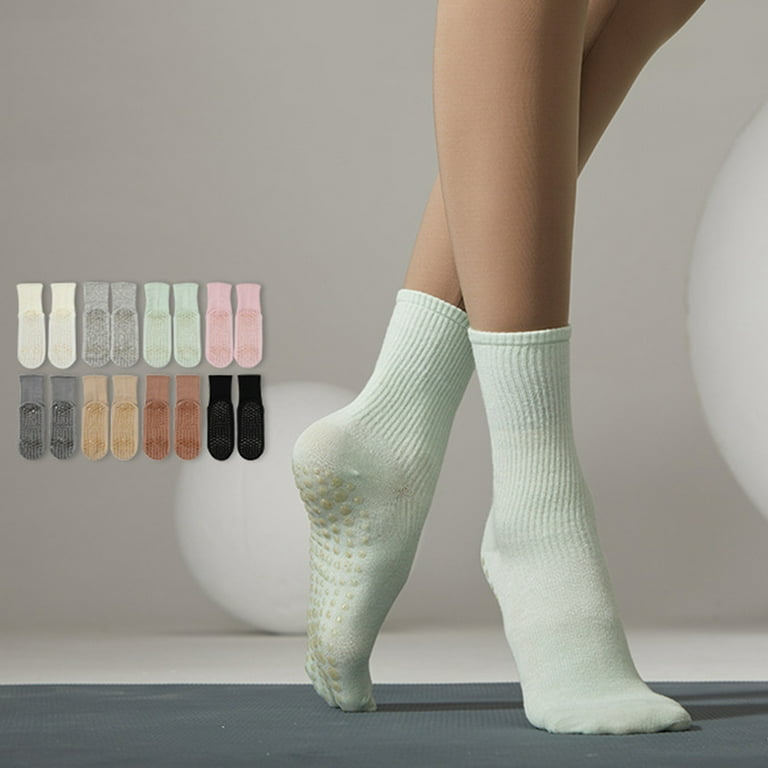
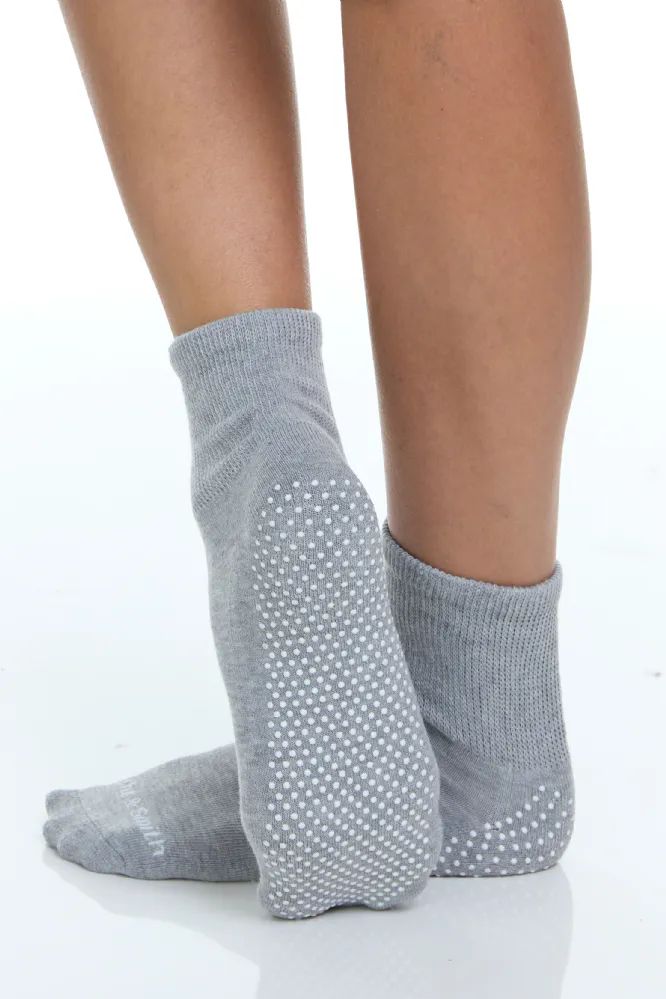
Socks with silicone grip are high-performance hosiery featuring specialized traction patterns permanently bonded to the sole. While they may look like standard socks at a glance, the technology on the bottom transforms them into a piece of functional athletic equipment.
The Science of Silicone Traction
The "grip" in these socks is typically made from medical-grade silicone or high-friction PVC. Silicone is the preferred choice for premium brands because it remains "tacky" and flexible even after hundreds of uses. Unlike rubber, which can become brittle or slick when wet, silicone maintains its grip against sweat, making it ideal for high-intensity training.
Fabric Construction
Beyond the grip, these socks are engineered for stability. Most are constructed with a high-density knit of cotton or bamboo for moisture absorption, blended with spandex or elastane to ensure a "second-skin" fit. This prevents the sock from twisting or sliding around the foot, which is a common failure point in cheaper alternatives.
What do Socks with Silicone Grip do?
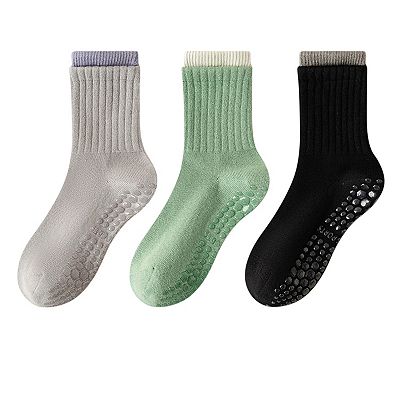
The primary mission of socks with silicone grip is to bridge the gap between your foot and the surface you are standing on, eliminating the micro-slips that lead to wasted energy and potential injury.
Eliminating Internal and External Slip
Standard socks act as a lubricant between your foot and your shoe (or the floor). Silicone grips provide two-way stability: they lock the sock to the surface and, in higher-end models, help lock the foot inside the sock. Studies have shown that using high-friction socks can improve agility and change-of-direction speed by up to 5% by reducing the "slop" inside athletic footwear.
Improving Proprioception and Form
When your brain knows your feet are securely anchored, your "proprioception"—or sense of body position—improves. In practices like yoga or Pilates, this stability allows you to engage your core more deeply and hold challenging poses longer. Without the fear of slipping, you can focus entirely on your alignment and muscle activation.
Do you need Socks with Silicone Grip?
While standard socks are fine for a walk in the park, certain environments make silicone grips a virtual necessity for performance and safety.
The Studio Environment
If you attend a Pilates, Barre, or Yoga studio, you have likely noticed that grip socks are often required. This isn't just a dress code; it's a safety measure. Reformer machines and hardwood studio floors are notoriously slick. Using socks with silicone grip can reduce the risk of slip-related injuries by up to 15% in low-impact fitness settings.
Home Safety and Rehabilitation
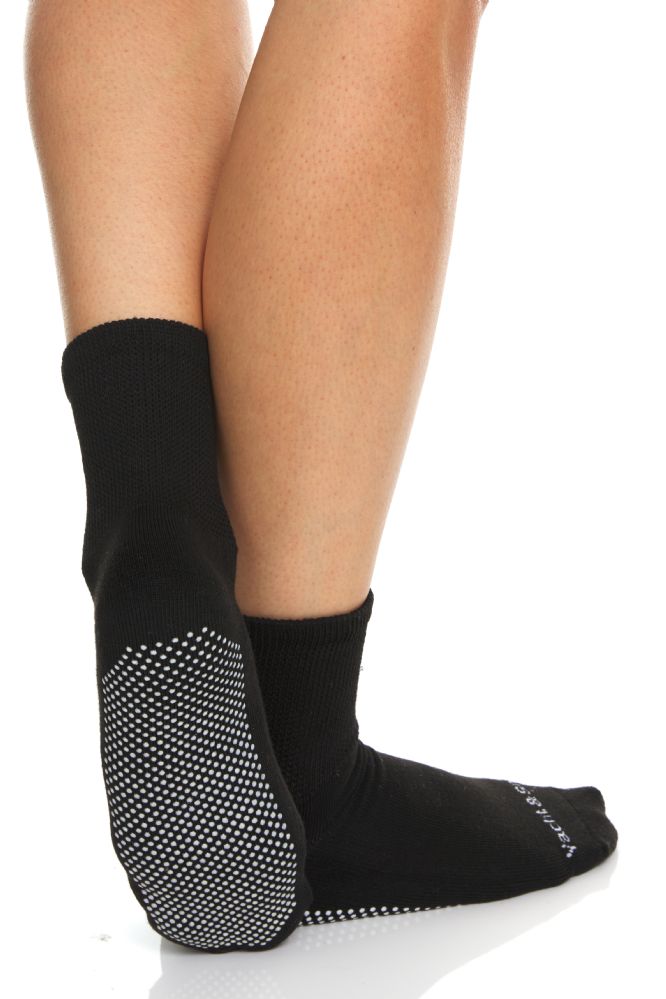
For seniors or those recovering from surgery, hardwood or tile floors can be hazardous. Hospitals often use these socks because they are proven to reduce fall risks. At home, they provide the security of a shoe with the comfort of a sock, making them an excellent choice for navigating slippery hallways or stairs.
Popular styles of Socks with Silicone Grip
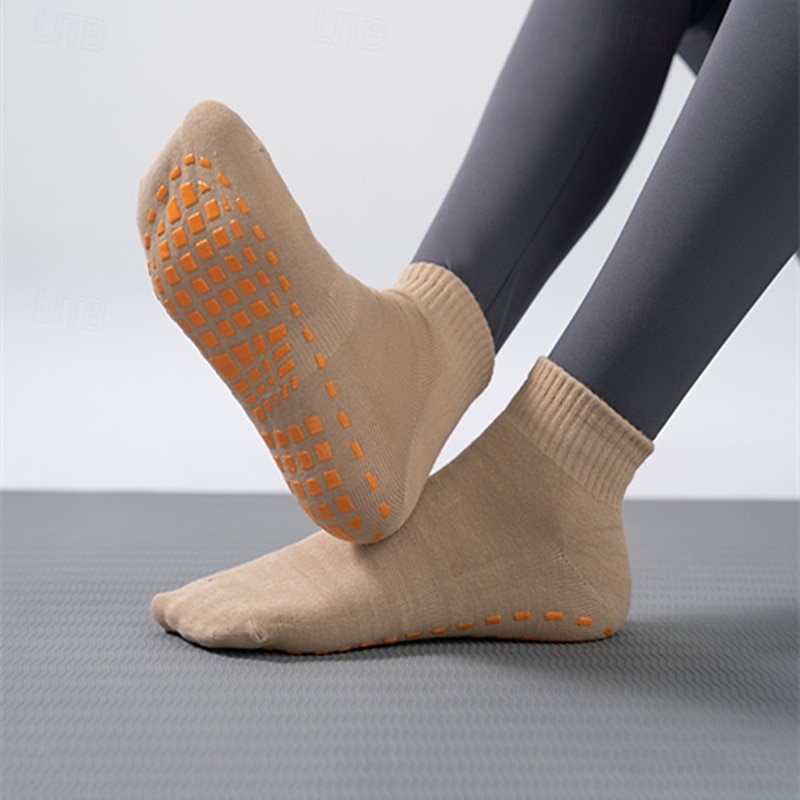
Choosing the right style depends on your specific activity and how much "ground feel" you prefer.
Crew and Quarter-Length Styles
The crew length is currently the most popular choice for soccer and basketball players who wear them inside cleats or sneakers. They provide compression for the calf and ensure the grip extends from the heel to the ball of the foot.
Toeless and Five-Toe Variations
-
Toeless (Half-Toe): These leave your toes exposed to the floor, providing maximum sensory feedback and "toe splay," which is critical for balance in yoga.
-
Five-Toe: These separate each individual toe, preventing skin-on-skin friction (and blisters) while allowing the toes to move naturally.
Ballet and Mary Jane Styles
Common in Barre classes, these feature an elastic strap across the top of the foot. This design ensures the sock stays perfectly in place during pointed-toe movements and provides a sleek, minimalist aesthetic.
What are best Socks with Silicone Grip?
When it comes to quality, the placement and durability of the silicone are the most important factors to consider.
Grip and Flow Socks
For those seeking a balance of luxury and performance, Grip and Flow Socks are often the first recommendation. They are subtly designed to provide traction exactly where the foot makes the most contact—the heel and the metatarsal area. Their silicone patterns are engineered for "flow," meaning they provide grip when you're stationary but won't "catch" or trip you up during dynamic transitions.
Leading US Brand Alternatives
-
Bombas Grippers: A household name known for incredible comfort and a stay-up tech that prevents the socks from sliding down your heel.
-
Sticky Be Socks: A favorite in the Pilates community, these feature inspirational messages on the toes and high-density silicone dots that last through dozens of washes.
-
Alo Yoga Performance Socks: Sleek, stylish, and highly functional, these are designed for the "studio-to-street" lifestyle, offering great compression alongside their grip technology.
How to wash Socks with Silicone Grip
To keep your silicone "sticky," you must protect it from the friction and heat of a standard wash cycle.
The Inside-Out Technique
Always turn your socks inside out before putting them in the washing machine. This ensures the silicone grips are not rubbing against the agitator or other abrasive fabrics like denim, which can slowly peel the silicone away from the fabric.
Water Temperature and Chemicals
Use cold water and a gentle cycle. Heat is the primary cause of silicone degradation. Most importantly, never use fabric softeners. Softeners are designed to coat fibers in a thin, waxy layer to make them feel soft; this same layer will coat your silicone grips, making them slippery and defeating the entire purpose of the sock.
Can you put Socks with Silicone Grip in the dryer?
While it may be convenient, the dryer is where grip socks go to die. High heat is the enemy of silicone and elastic.
Why Heat is Hazardous
The intense heat of a dryer can cause the silicone dots to become brittle or, in some cases, partially melt and lose their "tackiness." Furthermore, the constant tumbling can cause the edges of the grip patterns to lift, leading to peeling.
The Air-Dry Advantage
The best way to preserve your investment is to lay them flat to dry. Avoid hanging them by the cuffs, as the weight of the damp fabric can stretch out the ankle support. By air-drying, you ensure the silicone remains flexible and the compression fabric stays tight for a perfect fit every time.
Conclusion: The Verdict on Socks with Silicone Grip
So, are socks with silicone grip better? The data and the performance benefits suggest a resounding yes. By providing a stable foundation, reducing injury risks, and improving movement efficiency, they are a vital tool for anyone serious about their fitness or safety. From the specialized engineering of Grip and Flow Socks to the versatile designs found in major US brands, there is a grip sock for every foot.
Ready to stop the slip and start your flow? Browse our premium collection of socks with silicone grip and find your perfect pair today!


