

What are grip socks? This question is becoming increasingly common as the global athletic footwear market continues to diversify, with the specialized performance sock segment seeing a compound annual growth rate (CAGR) of 6.7%, largely driven by the $1.3 billion valuation of the grip sock industry in 2023. Performance Grip Socks Market is Rising with CAGR of 6.2%; Silicone Grip segment to cross at 7.1% CAGR; North America accounted 44.7% market share. These aren't just your average cotton socks; they are precision-engineered tools designed to solve the age-old problem of slipping during high-stakes movement. From professional soccer players looking for an edge in their cleats to Pilates practitioners seeking stability on a reformer, grip socks have become the silent heroes of the fitness world, providing the literal foundation for peak performance and injury prevention.
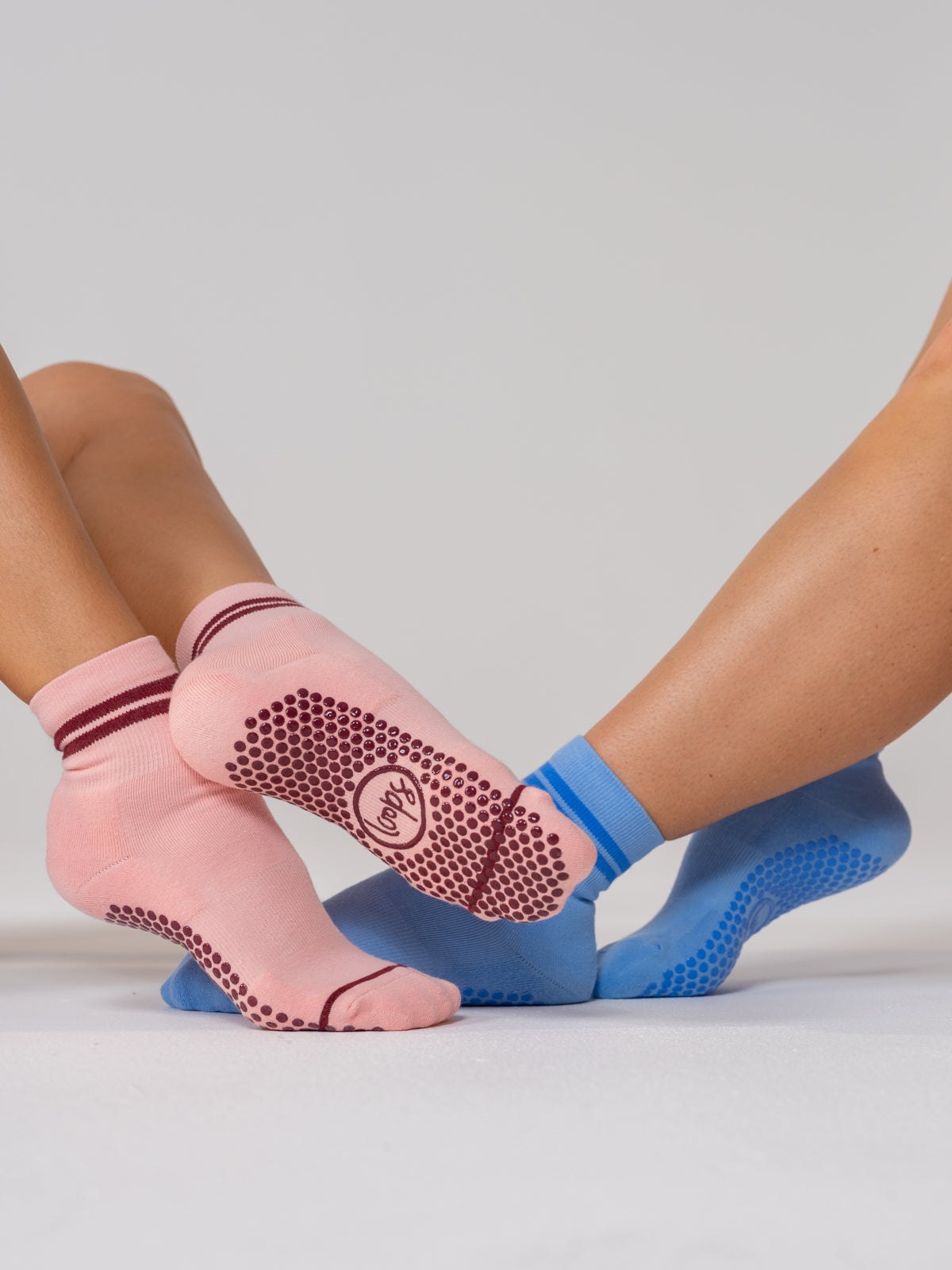
What are Grip Socks?
At their core, grip socks are a hybrid of traditional hosiery and high-traction footwear. They bridge the gap between being barefoot and wearing shoes, offering a level of tactile feedback that standard athletic socks simply cannot match.
The Defining Features
The most recognizable feature of a grip sock is the tread pattern on the sole. These "grippers" are typically made from silicone, PVC, or rubber and are strategically placed to cover high-pressure areas like the heel and the ball of the foot. Unlike the basic non-slip socks found in hospitals, modern performance grip socks use advanced adhesives to ensure the traction pads don't peel off during intense lateral movements.
Evolution from Medical to Athletic
Originally designed to prevent falls in clinical settings, grip socks have undergone a massive redesign. Today’s versions feature moisture-wicking yarns, arch compression bands, and seamless toe construction. This evolution has made them a staple in professional sports locker rooms and boutique fitness studios alike, where "anti-slip" technology is no longer an option but a requirement.

What do Grip Socks do?
The primary function of grip socks is to maximize the friction between your foot and the surface beneath it, whether that surface is the inside of a shoe, a yoga mat, or a wooden floor.
Eliminating Internal Foot Slide
One of the biggest culprits of blisters and lost power in sports is "internal slip"—the foot sliding inside the shoe. Grip socks lock your foot to the insole. This stability allows for faster acceleration and more precise changes of direction. For athletes, this translates to a more responsive feel and a reduced risk of toe bruising caused by the foot slamming into the front of the shoe.
Enhancing Ground Feel and Stability
In activities like barre or yoga, being able to feel the floor is vital for balance. Grip socks provide a "tacky" surface that mimics the natural grip of human skin but with added protection and hygiene. They allow you to hold a plank or a lunging position without your feet slowly drifting apart, which protects your joints from overextension.
Do you need Grip Socks?
While anyone can enjoy the comfort of a non-slip sock, certain activities and conditions make them an essential investment for your gear bag.
For Studio Athletes (Pilates, Yoga, Barre)
If you find yourself struggling to maintain your footing on a Pilates reformer or a slippery studio floor, you definitely need grip socks. Most studios actually mandate them for hygiene reasons, but the performance benefit is the real draw. They act as an anchor, allowing you to focus on muscle engagement rather than survival.
For Soccer, Basketball, and Running
In high-intensity field sports, even a millimeter of movement inside your cleat can result in a lost step or a rolled ankle. Grip socks provide the "lock-in" feel that elite players crave. For runners, they are excellent for preventing the friction that causes painful blisters during long-distance sessions or trail runs on uneven terrain.

Popular styles of Grip Socks
Grip socks come in various silhouettes, each tailored to specific aesthetic preferences and functional needs.
Crew vs. Quarter vs. Low-Cut
-
Crew Length: The gold standard for field athletes, providing calf coverage and extra room for branding.
-
Quarter Length: These hit just above the ankle bone, offering a balance between protection and breathability.
-
Low-Cut/No-Show: Preferred by studio practitioners who want a minimalist look that doesn't interfere with their leggings.
Toeless and Separated Toe Designs
Toeless grip socks allow your toes to touch the ground directly, which many yoga practitioners prefer for "grounding." Alternatively, five-toe grip socks separate each digit, which promotes better alignment and prevents moisture buildup between the toes—a major win for hygiene and blister prevention.
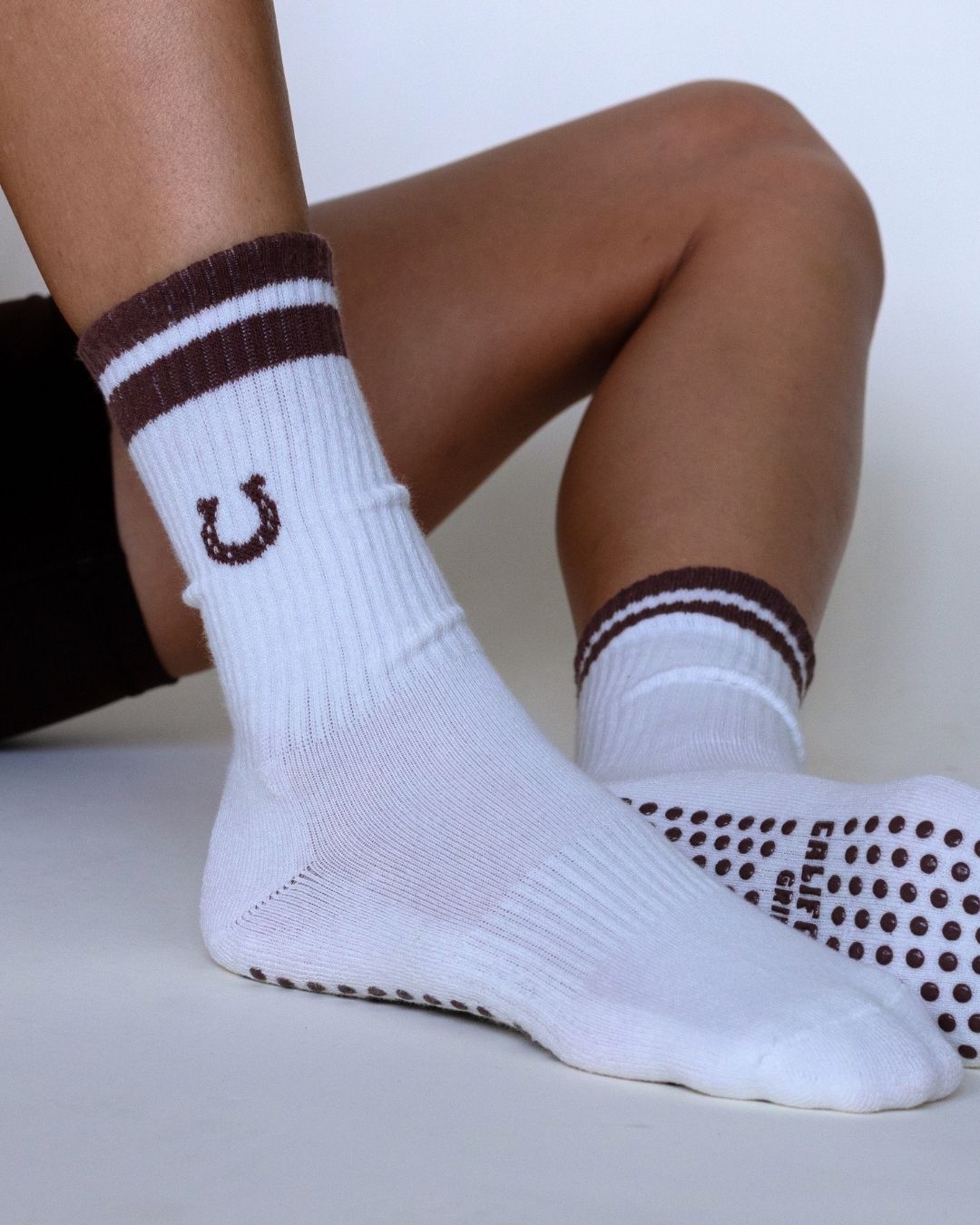
What are best Grip Socks?
The market is flooded with options, but a few brands stand out for their durability and the quality of their traction patterns.
Grip and Flow Socks
If you are looking for a versatile option that transitions perfectly from a morning Pilates session to a quick home workout, Grip and Flow Socks are highly recommended. They are designed with a focus on "intentional traction," ensuring the silicone patterns are dense enough to provide a rock-solid grip without feeling bulky underfoot. Their subtle, sleek designs make them a favorite for those who value both form and function.
Top US Brands to Consider
-
Bombas Gripper Socks: Known for their incredibly soft yarn and "honeycomb" arch support, these are fantastic for all-day wear and light exercise.
-
TruSox: Often seen on the feet of professional soccer players, these are the heavy hitters of the athletic world, featuring grips on both the inside and outside of the sock.
-
Pointe Studio: A leader in the boutique fitness world, offering stylish grip socks with PVC circles that provide a high level of grip for barre and dance.

How to wash Grip Socks
To ensure your grip socks maintain their "stickiness" for more than just a few washes, you must follow a specific care routine.
Turn Them Inside Out
This is the most critical step. Turning the socks inside out protects the silicone or rubber grips from rubbing against the walls of the washing machine or other garments. This simple trick prevents the grip patterns from cracking or peeling prematurely.
Use Cold Water and Mild Detergent
Heat breaks down the chemical bonds in silicone and elastic. Always wash your grip socks in cold water on a gentle cycle. Avoid using bleach or harsh chemicals, as these can strip the "tackiness" from the grips, leaving them smooth and useless.
Can you put Grip Socks in the dryer?
The short answer is no. If you want your grip socks to last, keep them far away from the dryer.
The Danger of High Heat
The high heat of a tumble dryer is the fastest way to ruin grip socks. It can cause the silicone to melt, warp, or become brittle. Once the grips lose their flexibility, they will start to flake off in the wash, and you’ll lose the traction you paid for.
The Air-Dry Method
Instead, lay your grip socks flat on a drying rack or hang them up in a well-ventilated area. Air-drying preserves the integrity of the elastic fibers and keeps the silicone in peak condition. Because they are usually made of moisture-wicking materials, they typically dry quite quickly on their own.
What are the best grip socks for Pilates?
Pilates requires a specific type of grip because of the equipment involved, particularly the wooden or metal "reformer" beds.
Full-Sole Coverage
The best Pilates grip socks feature a "full-sole" grip pattern. Because you are often pushing off the heels or balancing on the balls of your feet, you need traction across the entire bottom of the foot. Look for brands like Grip and Flow Socks that offer dense silicone coverage from the very tip of the toe to the back of the heel.
Compression and Fit
In Pilates, your feet are often elevated or moving through a wide range of motion. You need a sock with a strong arch compression band to ensure the sock doesn't slide off your foot mid-exercise. A "Mary Jane" style with a strap across the top is also highly effective for keeping the sock secure during intense leg circles or "the hundred."
What are grip socks made of?
The performance of a grip sock is largely determined by the blend of materials used in its construction.
The Fabric Blend
Most high-quality grip socks are made from a blend of Cotton, Polyester, and Spandex (Elastane).
-
Cotton: Provides breathability and comfort.
-
Polyester/Nylon: Adds durability and moisture-wicking properties to keep feet dry.
-
Spandex: Provides the "stretch" and compression needed for a snug fit.
The Grip Material
The "treads" are almost always made of Silicone or PVC. Silicone is the premium choice; it is eco-friendly, hypoallergenic, and retains its grip even when damp with sweat. Some specialized athletic socks use "Suede" patches, but for the majority of users, silicone offers the best balance of durability and traction.
Conclusion: Mastering Movement with Grip Socks
Understanding what are grip socks is the first step toward a safer and more efficient workout. These specialized garments are no longer just an accessory—they are a fundamental piece of performance gear that protects your joints, prevents blisters, and gives you the confidence to push your limits. By choosing high-quality options like Grip and Flow Socks and following proper care instructions, you can ensure your feet stay firmly planted, no matter how intense the session gets.
Ready to transform your workout? Shop our curated selection of high-performance grip socks and experience the difference that professional-grade traction can make!


