

Women’s grip socks have evolved from a niche studio requirement into a multi-billion dollar fitness essential. As of 2026, the global yoga and Pilates accessories market has surged to an estimated $25.69 billion, with a steady annual growth rate of over 8%. The global yoga and pilates socks market size is forecast to rise from USD 291.12 million in 2025 to USD 487.93 million by 2035. This explosive demand is driven by a 12.2% year-over-year increase in boutique studio memberships, where specialized footwear is often mandatory for both safety and hygiene. Whether you are navigating a high-intensity Reformer session or holding a challenging barre pose, the right pair of socks provides the literal foundation for your practice. In this guide, we will explore why these socks are a "must-have" and how to choose the perfect pair for your fitness journey.

What are Women’s Grip Socks?
Technical Construction and Fabrics
Women’s grip socks are performance-engineered hosiery designed specifically for activities that require a solid connection to a smooth surface. Unlike everyday cotton socks, these are typically made from high-density combed cotton or eco-friendly bamboo blends, integrated with spandex or elastane to ensure a "stay-put" fit. The most critical component is the sole, which features specialized silicone or PVC "grippers" heat-pressed into the fabric.
The Modern Aesthetic Evolution
While the technology is functional, the design for women has moved toward a "studio-to-street" aesthetic. You will find various silhouettes including "Mary Jane" styles with feminine straps, "crew" lengths that hit mid-calf for a retro sporty look, and even "ballet-core" designs featuring ribbons and ruffles. These socks allow practitioners to express their personal style without sacrificing the technical benefits required for a safe workout.
Hygiene and Health Features
Beyond the grip, many premium women's socks include silver-ion technology or antimicrobial treatments to manage odor and bacteria. This is particularly important in studio environments where multiple people use the same equipment. The socks act as a protective barrier, reducing direct skin contact with mats and machines, which is essential for maintaining foot health.

What Do Women’s Grip Socks Do?
Maximizing Traction and Stability
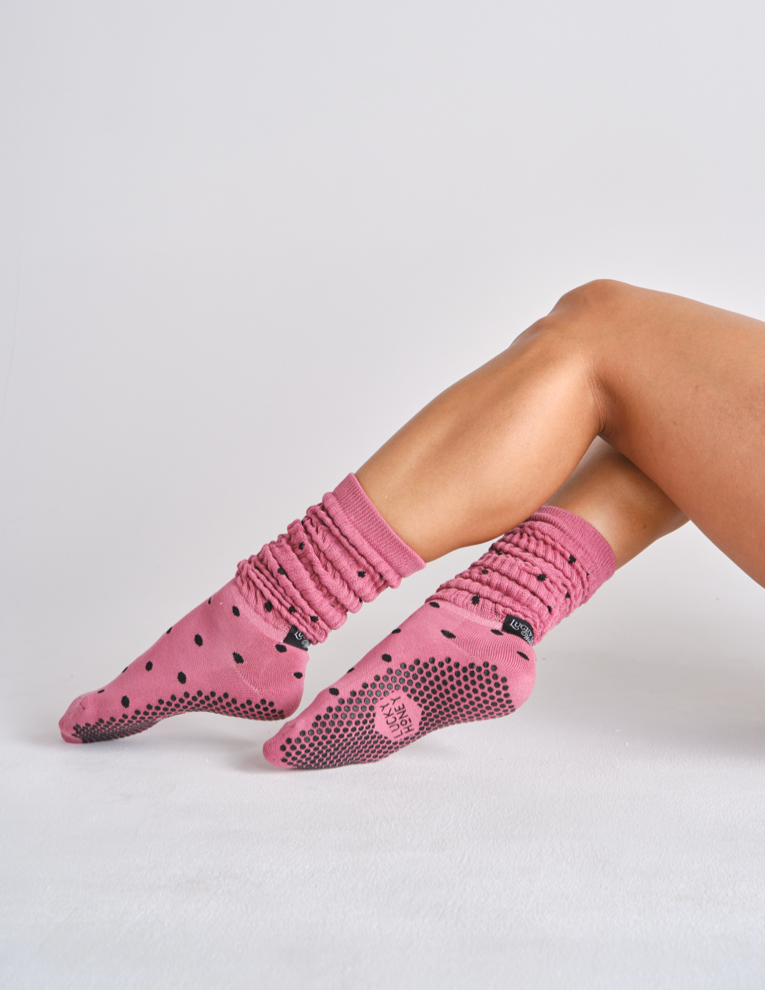
The primary function of these socks is to create friction. On a polished studio floor or a vinyl Pilates reformer carriage, bare feet can sweat and slide, leading to instability. The silicone patterns on the bottom of the socks act as anchors, allowing you to execute lunges, planks, and stretches with total confidence. This stability is the key to preventing "micro-slips" that can break your focus or cause injury.
Enhancing Form and Mind-Body Connection
When you aren't worried about slipping, your brain can focus on the "powerhouse" (your core). Grip socks improve your proprioception—the body's ability to sense its position in space. By providing a secure base, they help you engage the correct muscles and maintain proper alignment, which is the difference between a "good" workout and a "transformative" one.
Arch Support and Compression
Many high-quality women's grip socks feature built-in arch compression bands. This subtle "hug" around the midfoot helps reduce foot fatigue during long sessions and provides a slight lift to the arch. This is especially beneficial for those who suffer from plantar fasciitis or general foot soreness after standing for extended periods.
Do You Need Women’s Grip Socks?
Studio Requirements and Safety
In the world of boutique fitness, grip socks are often a non-negotiable safety requirement. Many Pilates and Lagree studios will not allow clients onto the machines without them, as the risk of a foot slipping off the footbar is a major liability. Investing in your own pair ensures you always have the right gear on hand and don't have to rely on generic "rental" or studio-purchased pairs.
The Home Workout Revolution
Even if you practice in your living room, grip socks are a game-changer. Hardwood floors and even some yoga mats can become slippery as you sweat. Wearing grip socks turns any flat surface into a stable gym floor, allowing you to transition between moves seamlessly without the distraction of sliding.
Hygiene and Convenience
Sharing is caring, but not when it comes to floor bacteria. If you are a regular at a local studio, a dedicated pair of grip socks is your first line of defense against common infections like athlete’s foot. They are lightweight, easy to toss in a gym bag, and provide peace of mind in high-traffic communal spaces.
Popular Styles of Women’s Grip Socks
The Classic Low-Cut and Mary Jane
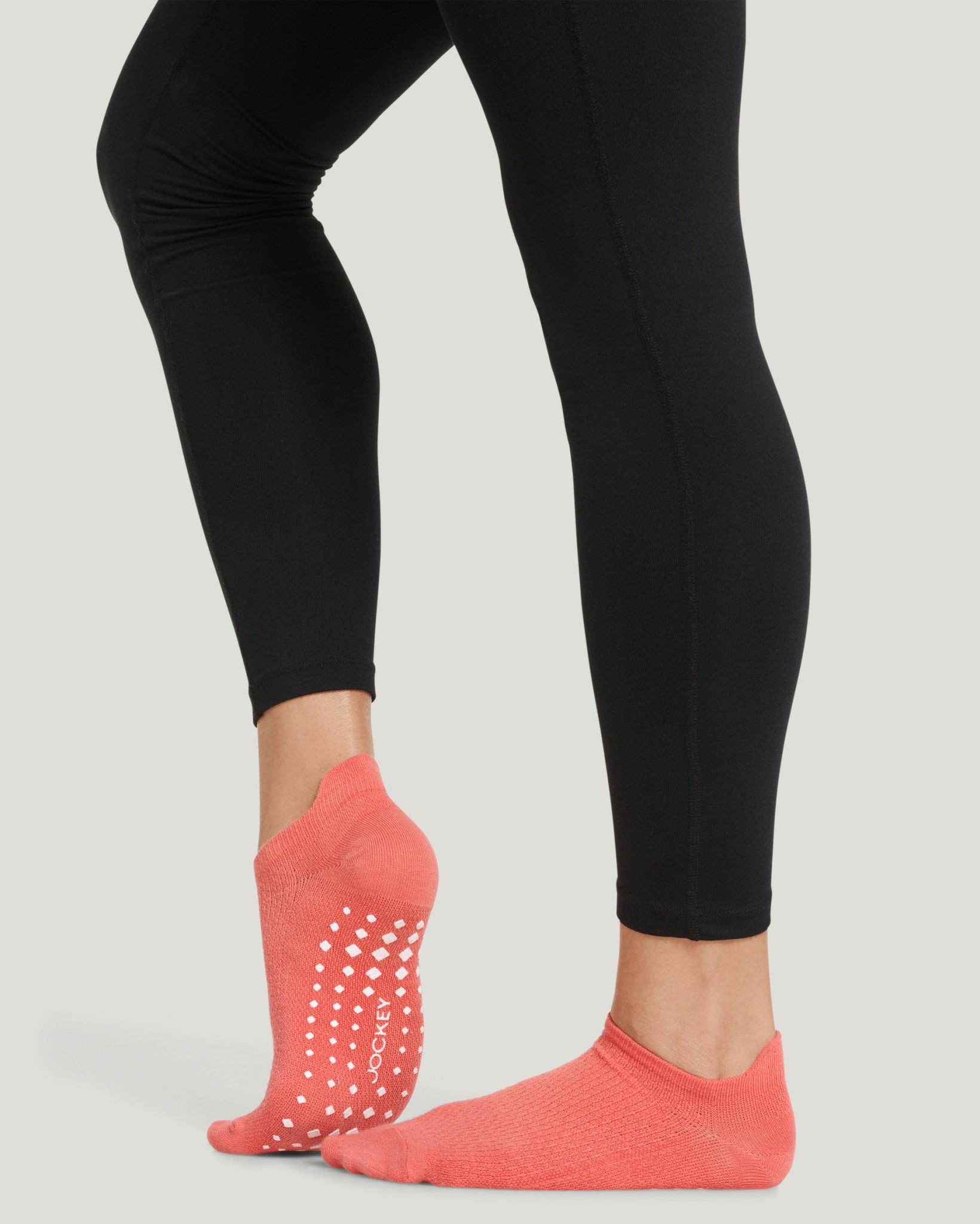
Low-cut styles sit just below the ankle and are perfect for those who want a minimalist look. The Mary Jane variation adds an elastic strap across the top, which provides extra security—ensuring the sock doesn't slide off your heel during "feet in straps" exercises on the Reformer.
Trendy Crew and Scrunch Styles
The "crew" length is the current darling of social media. These socks hit mid-calf and are frequently styled over leggings. Some brands offer "scrunch" versions that add texture and a cozy, 90s-inspired vibe to your workout outfit, making them a favorite for Pilates and barre enthusiasts who love the "athleisure" look.
Toeless and Five-Toe Designs
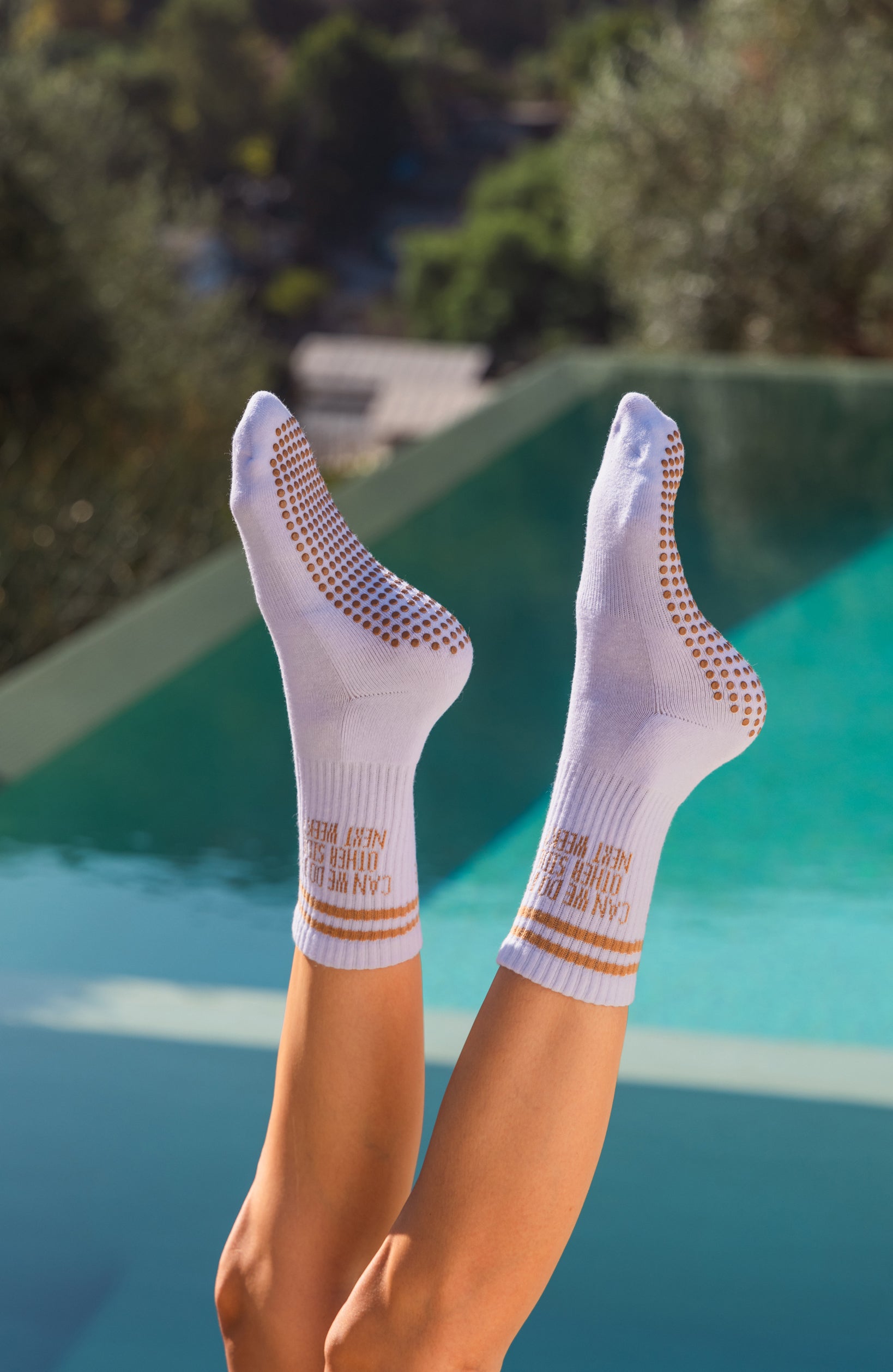
For those who prefer the tactile feel of the floor, toeless designs leave the toes exposed while keeping the ball and heel of the foot gripped. Five-toe designs work like gloves for your feet, separating each toe to promote better "splay" and balance, which is highly recommended by podiatrists for long-term foot health.
What are Best Women’s Grip Socks?
Grip and Flow Socks: The Ultimate Choice
If you are looking for the perfect intersection of luxury and high-performance, Grip and Flow Socks are the premier recommendation. These socks are subtly engineered to handle the most intense movements while maintaining a chic, sophisticated silhouette. They are known for their high-density grip patterns that outlast many cheaper alternatives, and their fabric remains soft and supportive even after dozens of washes. They are the "quiet luxury" of the grip sock world, offering a sleek look that doesn't scream for attention but performs flawlessly.
Bombas Gripper Socks
Bombas has built a reputation for comfort, and their gripper line is no exception. Known for their "Honeycomb Support System," these socks provide excellent arch compression and are made from premium yarns. They are a solid choice for those who want a reliable, everyday grip sock that stays in place.
Tavi Active
Tavi Active is a US-based brand that focuses heavily on the "lifestyle" side of fitness. Their socks often feature beautiful colors, intricate patterns, and high-performance grip technology. They are a favorite for women who want their socks to be a standout piece of their workout wardrobe.
How to Wash Women’s Grip Socks
The "Inside Out" Strategy
To keep your grippers "sticky" for as long as possible, always turn your socks inside out before washing. This protects the silicone patterns from rubbing against the washing machine drum or other rough fabrics like zippers and velcro, which can cause the grips to peel over time.
Temperature and Detergent Choice
Always wash your grip socks in cold or lukewarm water. High temperatures can break down the adhesives used to attach the grips to the fabric. Use a mild, liquid detergent and—this is the most important part—avoid fabric softeners. Softeners leave a waxy residue on the silicone that makes them slippery, effectively ruining the "grip" of the sock.
Using a Mesh Laundry Bag
Because many women's styles feature delicate straps or thin mesh panels, placing them in a small mesh laundry bag is highly recommended. This prevents the socks from stretching out or getting snagged on other items in the load, maintaining their shape and compression for much longer.
Can You Put Women’s Grip Socks in the Dryer?
The Enemy of Elasticity and Grip
While it might be tempting to toss them in with your towels, the high heat of a dryer is the fastest way to ruin a pair of high-quality grip socks. Intense heat can melt or warp the silicone grips, causing them to lose their traction. Furthermore, heat degrades the spandex and elastic fibers, leading to a "saggy" sock that will slide around your foot during your next class.
The Air-Dry Standard
The gold standard for drying is to lay your socks flat on a drying rack or a clean towel. Avoid hanging them by the cuffs, as the weight of the water can stretch out the elastic. By air-drying in a shaded area (away from direct sunlight), you ensure the materials stay crisp and the grips stay tacky.
Quick Drying if You're in a Rush
If you have a class in an hour and your socks are still damp, you can roll them tightly in a dry towel and step on it to squeeze out the excess moisture before laying them out near a fan. This "towel-press" method speeds up the process significantly without the damaging effects of a machine dryer.
Conclusion: Women’s Grip Socks: An Essential Guide
Choosing the right women's grip socks is about more than just matching your leggings; it is about providing your body with the stability and safety it needs to thrive in a studio environment. From the traction of the silicone soles to the hygienic protection they offer, these socks are a vital piece of equipment for any modern fitness routine. By investing in premium brands like Grip and Flow Socks, and following proper care instructions like air-drying and avoiding softeners, you can ensure your gear lasts as long as your passion for the practice.
Ready to find your perfect pair? Shop our curated collection of women's grip socks today and step into your next class with total confidence!


